Turkish Bread
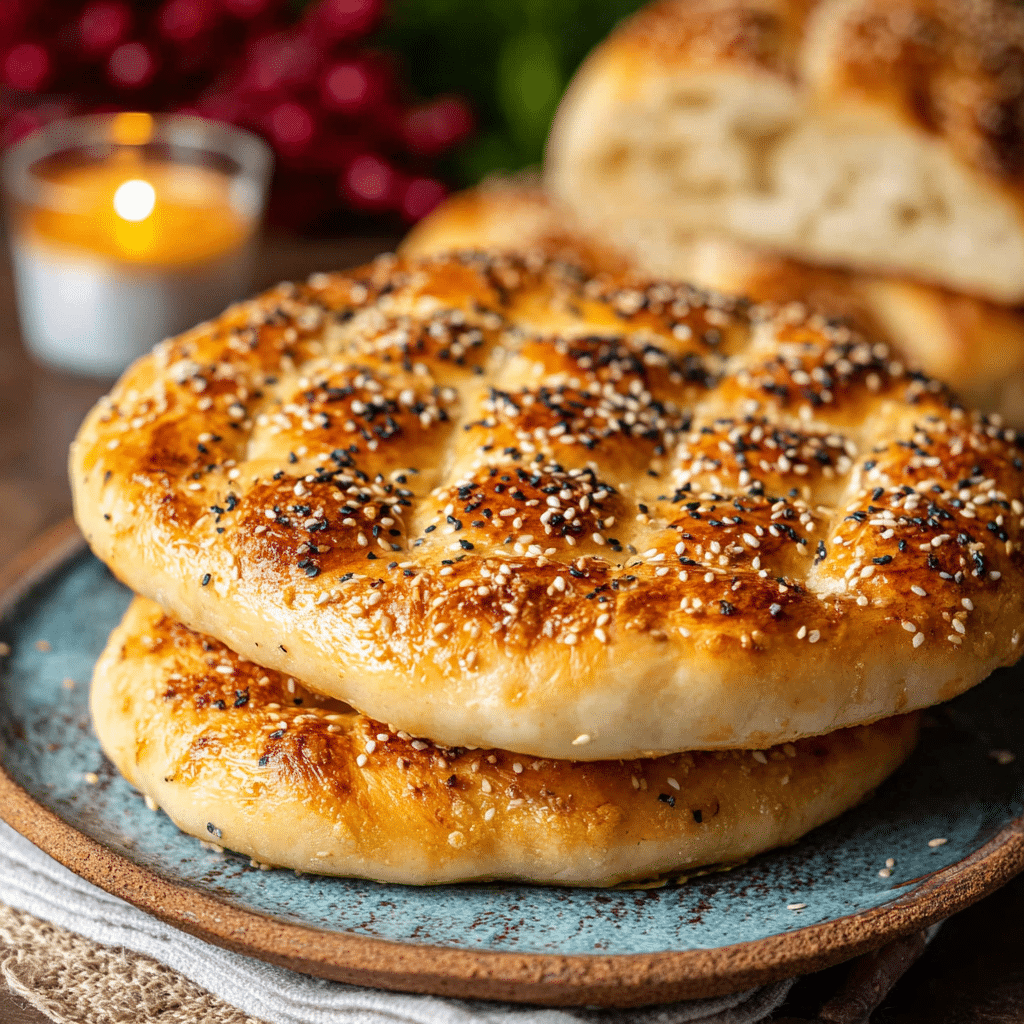
Discover the joy of baking your own soft, fluffy Turkish Bread right at home with this easy and authentic recipe. Turkish Bread offers a perfect combination of a slightly crispy crust with a pillowy interior, making it ideal for everything from dipping in olive oil to accompanying your favorite mezes. Whether you’re new to bread baking or craving that genuine Turkish flavor, this recipe will guide you step-by-step through creating delicious Turkish Bread that everyone will adore.
Why You’ll Love This Recipe
- Authentic Flavor: Experience the true taste of traditional Turkish Bread made with simple ingredients and traditional methods.
- Super Easy: The recipe is beginner-friendly, requiring minimal hands-on time and straightforward steps.
- Soft and Fluffy Texture: Learn how to achieve that signature soft, airy crumb with a crispy, golden crust.
- Versatile Use: Perfect alongside dips, grilled meats, or just enjoyed fresh with butter and jam.
- Fun Baking Experience: This recipe offers a gratifying home baking project that fills your kitchen with the irresistible aroma of fresh bread.
Ingredients You’ll Need
The ingredients for Turkish Bread are simple yet essential, each playing a crucial role in creating its distinctive texture and taste. From flour to yeast, every element contributes to the bread’s softness, flavor complexity, and golden appearance.
- All-Purpose Flour: The foundation for your dough, provides structure and chewiness.
- Warm Water: Activates the yeast and helps develop the gluten for elasticity.
- Instant Yeast: Ensures your bread rises beautifully, creating the airy crumb Turkish Bread is known for.
- Salt: Balances flavors and strengthens the dough structure.
- Sugar: Helps feed the yeast and caramelizes the crust for a subtle sweetness and color.
- Olive Oil: Adds moisture and imparts a mild richness to the bread.
- Sesame or Nigella Seeds (optional): Sprinkled on top for a traditional finish and added texture.
Variations for Turkish Bread
This Turkish Bread recipe is wonderfully adaptable. Feel free to experiment with additions or tweaks that suit your taste buds, dietary needs, or available ingredients.
- Whole Wheat Version: Substitute half the all-purpose flour with whole wheat for nuttier flavor and extra fiber.
- Herb Infused: Add chopped fresh rosemary or thyme into the dough for a fragrant twist.
- Gluten-Free Alternative: Use a gluten-free flour blend; keep in mind the texture will differ slightly but remains delicious.
- Seed Toppings: Mix sesame, nigella, or poppy seeds on top for added crunch and traditional aesthetics.
- Garlic and Olive Oil Brush: After baking, brush the bread with a mix of olive oil and minced garlic for a savory boost.

How to Make Turkish Bread
Step 1: Prepare the Yeast Mixture
Start by mixing warm water, sugar, and instant yeast in a bowl. Let it sit for 5 to 10 minutes until it becomes frothy, indicating the yeast is active and ready.
Step 2: Mix the Dough
In a large mixing bowl, combine flour and salt. Add the yeast mixture and olive oil gradually, stirring until a sticky dough forms. This step sets the foundation for soft and pliable Turkish Bread.
Step 3: Knead the Dough
Transfer the dough to a floured surface and knead for about 10 minutes until it’s smooth and elastic. Proper kneading develops gluten, crucial for Turkish Bread’s airy texture.
Step 4: First Rise
Place the dough in a lightly oiled bowl, cover it with a cloth, and let it rise in a warm spot for about 1 to 1.5 hours or until it doubles in size.
Step 5: Shape the Bread
Punch down the risen dough gently to release air, then shape it into a round or oval loaf, depending on your preference. Transfer it onto a baking sheet lined with parchment paper.
Step 6: Second Rise
Cover the shaped dough and allow it to rise again for 30 to 45 minutes until it puffs up noticeably.
Step 7: Add Toppings and Bake
Brush the dough lightly with olive oil and sprinkle sesame or nigella seeds on top if desired. Bake in a preheated oven at 425°F (220°C) for 20 to 25 minutes or until golden brown with a crisp crust.
Step 8: Cool and Serve
Remove the bread from the oven and let it cool on a wire rack for 15 to 20 minutes before slicing. This cooling allows the crumb to set perfectly and makes slicing easier.
Pro Tips for Making Turkish Bread
- Use Warm Water: Ensure your water is warm, not hot, to activate yeast properly without killing it.
- Knead Thoroughly: A good kneading session develops gluten, essential for the bread’s soft yet chewy texture.
- Be Patient with Rising: Letting the dough rise fully twice is key to getting that perfect fluffy crumb.
- Don’t Skip the Olive Oil: It adds moisture and richness that elevates the bread’s flavor and softness.
- Use Seeds for Authenticity: Sesame or nigella seeds add a traditional finish and delightful crunch.
- Check Oven Temperature: A hot oven helps create the signature crispy yet tender crust.
How to Serve Turkish Bread
Garnishes
Garnish your freshly baked Turkish Bread with a light brush of olive oil, freshly chopped parsley, or sesame seeds. These simple touches enhance both taste and presentation, making your bread even more inviting.
Side Dishes
Turkish Bread pairs beautifully with an array of dishes like hummus, baba ganoush, grilled meats, or fresh Mediterranean salads. It also shines when served alongside soups, stews, or simply with a bowl of olive oil and balsamic vinegar for dipping.
Creative Ways to Present
Try slicing Turkish Bread into thick wedges and use it as a base for open-faced sandwiches, bruschetta, or a creative mezze platter. Its airy texture absorbs flavors well, making it a versatile addition to any table setting.
Make Ahead and Storage
Storing Leftovers
Store leftover Turkish Bread in an airtight container or a resealable plastic bag at room temperature for up to two days to maintain freshness and softness.
Freezing
If you want to enjoy Turkish Bread later, wrap it tightly in plastic wrap and place it in a freezer-safe bag. Frozen bread can last up to three months without losing much of its quality.
Reheating
To revive Turkish Bread, warm it in an oven at 350°F (175°C) for about 5 to 10 minutes. This process brings back its lovely crisp crust and soft interior, almost as good as fresh-baked.
FAQs
What makes Turkish Bread different from other breads?
Turkish Bread is known for its light, airy interior combined with a slightly crisp crust and often includes seeds like sesame or nigella for traditional flavor and texture.
Can I use regular dry yeast instead of instant yeast?
Yes, but you will need to dissolve dry yeast in warm water and let it proof for 10 minutes before mixing it with the flour, whereas instant yeast can be added directly.
How long does Turkish Bread stay fresh?
When stored properly at room temperature, Turkish Bread stays fresh and soft for up to two days. For longer storage, freezing is recommended.
Is it necessary to use olive oil in the dough?
Olive oil adds moisture and a subtle richness that enhances Turkish Bread’s texture and flavor, but you can substitute with a neutral oil if necessary.
Can I bake Turkish Bread without a baking stone or Dutch oven?
Absolutely! Baking on a regular baking sheet works well. Just make sure your oven is properly preheated to achieve the best crust and texture.
Final Thoughts
Making Turkish Bread at home is such a rewarding and delicious experience that fills your kitchen with warmth and wonderful aromas. With simple ingredients and clear steps, you can easily bring a piece of authentic Turkish bakery into your own home. Give this recipe a try today, and enjoy the comforting flavors and soft texture of freshly baked Turkish Bread that everyone will love!
Related Posts
PrintTurkish Bread

Bake soft, fluffy, and authentic Turkish Bread at home with this easy-to-follow recipe. Featuring a slightly crispy crust and airy interior, this bread is perfect for dipping, serving with mezes, or enjoying fresh. Suitable for beginners and adaptable with variations to suit your taste and dietary preferences.
- Prep Time: 20 minutes
- Cook Time: 20-25 minutes
- Total Time: 2 hours 15 minutes
- Yield: 1 loaf (about 8-10 servings) 1x
- Category: Appetizers
- Method: Baking
- Cuisine: Turkish
- Diet: Vegetarian
Ingredients
Main Ingredients
- 3 1/2 cups all-purpose flour (about 440 grams)
- 1 1/4 cups warm water (about 110°F / 43°C)
- 2 teaspoons instant yeast
- 1 teaspoon salt
- 1 tablespoon sugar
- 2 tablespoons olive oil
Optional Toppings
- 1 tablespoon sesame seeds or nigella seeds (optional)
Instructions
- Prepare the Yeast Mixture: Mix warm water, sugar, and instant yeast in a bowl. Let it sit for 5 to 10 minutes until frothy, indicating the yeast is active.
- Mix the Dough: In a large mixing bowl, combine flour and salt. Gradually add the yeast mixture and olive oil, stirring until a sticky dough forms.
- Knead the Dough: Transfer the dough to a floured surface and knead for about 10 minutes until smooth and elastic to develop gluten.
- First Rise: Place the dough in a lightly oiled bowl, cover with a cloth, and let rise in a warm spot for 1 to 1.5 hours until doubled in size.
- Shape the Bread: Gently punch down the dough to release air, shape into a round or oval loaf, and transfer it onto a parchment-lined baking sheet.
- Second Rise: Cover the shaped dough and allow it to rise again for 30 to 45 minutes until noticeably puffy.
- Add Toppings and Bake: Brush dough lightly with olive oil, sprinkle sesame or nigella seeds if desired. Bake in a preheated oven at 425°F (220°C) for 20 to 25 minutes until golden brown and crisp.
- Cool and Serve: Remove bread from oven and cool on a wire rack for 15 to 20 minutes before slicing to allow the crumb to set.
Notes
- Use warm water that is warm to the touch, not hot, to activate yeast properly.
- Knead thoroughly to develop gluten for the perfect airy texture.
- Be patient and allow the dough to rise fully twice for the best fluffiness.
- Do not omit olive oil, as it adds moisture and richness to the bread.
- Sprinkle sesame or nigella seeds for traditional authentic flavor and texture.
- Preheat the oven well to create a crispy yet tender crust.
Nutrition
- Serving Size: 1 slice (approx. 60g)
- Calories: 150
- Sugar: 1 g
- Sodium: 200 mg
- Fat: 3.5 g
- Saturated Fat: 0.5 g
- Unsaturated Fat: 3 g
- Trans Fat: 0 g
- Carbohydrates: 27 g
- Fiber: 1 g
- Protein: 4 g
- Cholesterol: 0 mg
Keywords: Turkish bread, homemade bread, soft bread, fluffy bread, traditional bread, easy bread recipe, baking bread